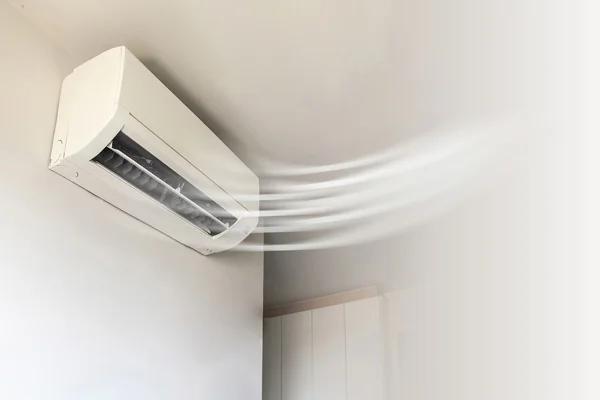
Before purchasing an air conditioner, there are several important factors to consider to ensure you select a unit that meets your cooling needs efficiently and effectively. Understanding the size of the space you want to cool is crucial because an air conditioner that is too small will struggle to maintain a comfortable temperature, while one that is too large can waste energy and increase utility bills. Measuring the square footage of the room or area helps determine the appropriate cooling capacity, typically measured in British Thermal Units (BTUs). It’s advisable to consult sizing guides or seek professional advice for accurate calculations.
Energy efficiency plays a significant role in long-term satisfaction with an air conditioner. Units with higher Seasonal Energy Efficiency Ratio (SEER) ratings consume less electricity for the same amount of cooling, reducing operational costs and environmental impact. While energy-efficient models may have a higher upfront price, they often save money over time through lower power consumption. Additionally, look for ENERGY STAR certification as it indicates compliance with strict energy performance standards.
The type of air conditioner is another key consideration based on installation requirements and personal preferences. Window units are popular for single rooms due to their affordability and ease of installation read more articles but may obstruct window views and reduce natural light. Portable models offer flexibility by allowing movement between rooms without permanent installation but tend to be noisier and less efficient than other types. Split systems provide quiet operation and better aesthetics since only the indoor unit is visible; however, they require professional installation and involve greater initial investment.
Noise level matters especially if you plan to install an air conditioner in bedrooms or workspaces where quiet environments are preferred. Checking decibel ratings can help identify quieter models that won’t disrupt sleep or concentration during use.
Maintenance requirements should also influence your choice because regular cleaning of filters and coils ensures optimal performance and longevity. Some units include washable filters which simplify upkeep compared to those requiring frequent replacement parts.
Finally, consider additional features such as programmable timers, remote controls, smart connectivity options, dehumidification settings, or adjustable fan speeds that enhance convenience and comfort according to individual needs.
Taking time to research these aspects before buying an air conditioner leads to informed decisions resulting in improved comfort while managing costs effectively throughout its lifespan.