
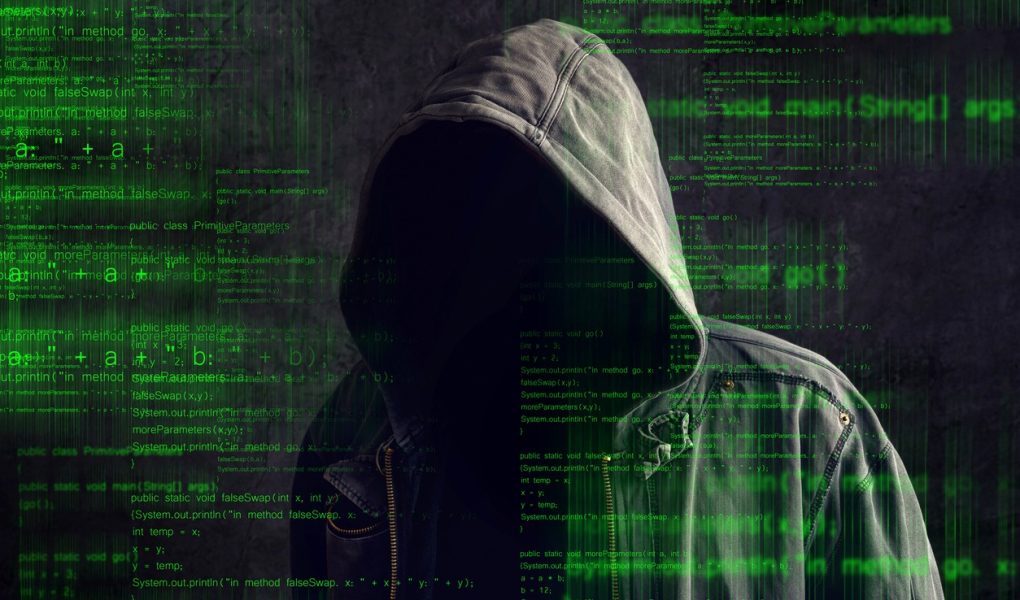
The psychology behind the phenomenon often referred to as the “Dark Net Army” involves a complex interplay of social, cognitive, and emotional factors. This term generally describes groups or individuals who operate within hidden parts of the internet, engaging in activities ranging from cybercrime to coordinated misinformation campaigns. Understanding their motivations requires examining both individual psychological traits and broader group dynamics that influence behavior in these secretive online environments.
One key aspect is anonymity. The dark net provides a veil that reduces accountability, allowing users to act without fear of immediate consequences. This sense of invisibility can lower inhibitions and encourage behaviors that would be socially unacceptable or illegal in everyday life. Psychologically, this aligns with theories about disinhibition effects seen in anonymous online interactions where people feel detached from real-world norms and moral constraints.
Another important factor is identity formation and belongingness. Many participants find a sense of community within these networks, which may appeal especially to those who feel marginalized or disconnected from mainstream society. The shared goals or ideologies foster strong bonds among members, creating an “us versus them” mentality that reinforces loyalty and collective action. This group cohesion can intensify commitment to the cause while justifying harmful actions against darknetarmy perceived adversaries.
Cognitive biases also play a role in shaping behavior on the dark net. Confirmation bias leads individuals to seek information aligning with their preexisting beliefs while dismissing contradictory evidence. In echo chambers created by closed communities, this effect is magnified, making radicalization more likely as users reinforce each other’s views without external checks.
Additionally, some members may be motivated by financial gain or power rather than ideology alone. The dark net’s marketplaces enable illicit trade such as drugs, weapons, or stolen data transactions that attract opportunistic actors driven by greed or desire for control over others through manipulation or intimidation tactics.
Psychological resilience varies widely among participants; some demonstrate high adaptability under pressure due to experience with covert operations or hacking skills developed over time. Others might exhibit traits associated with antisocial personality disorder including lack of empathy and disregard for laws.
In summary, understanding the Dark Net Army requires considering how anonymity fosters disinhibition while social identity needs promote tight-knit communities resistant to outside influence. Cognitive distortions sustain extreme viewpoints whereas diverse motivations fuel participation ranging from ideological zealotry to criminal enterprise involvement. Recognizing these psychological dimensions helps inform strategies aimed at countering threats emerging from these shadowy digital collectives effectively and ethically.