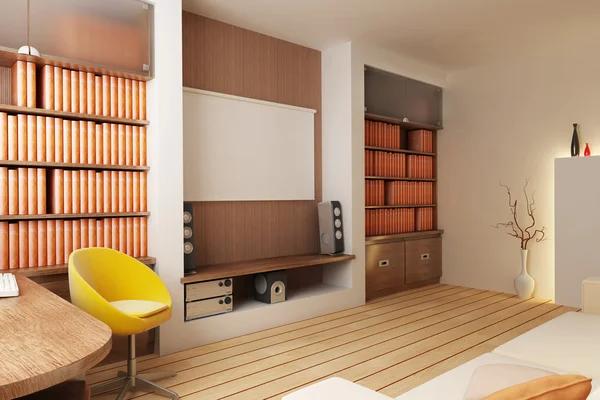
Setting up a home theater system can be an exciting yet challenging task, especially for beginners. With the right approach and patience, you can create a cinematic experience in your living room. The first step is to choose the ideal location for your home theater setup. Consider a room with minimal natural light and good acoustics, as this will enhance both picture quality and sound performance. Measure the space carefully to ensure that all components fit comfortably without overcrowding.
Once you’ve selected the location, gather all necessary equipment. A basic home theater system typically includes a television or projector, an AV receiver, speakers (including subwoofers), cables, and input devices like Blu-ray players or streaming devices. Make sure each component is compatible with one another to avoid connectivity issues later on.
Next comes speaker placement—a critical aspect of achieving optimal sound quality. For a 5.1 surround sound system, position the front left and right speakers at ear level on either side of your TV or screen. Place the center channel speaker directly above or below the screen for clear dialogue delivery. Rear surround speakers should be set behind your seating area at ear height but angled slightly toward viewers for immersive effects. The subwoofer explore further can be placed near the front wall but away from corners to prevent bass distortion.
After positioning your speakers, connect them to the AV receiver using high-quality speaker wires or cables labeled clearly for easy identification during installation. Follow manufacturer instructions closely when connecting input devices like gaming consoles or media players to ensure proper functionality.
Calibrating audio settings is essential once everything is connected properly. Most modern receivers come with automatic calibration tools that use microphones to measure room acoustics and adjust sound output accordingly; however, manual adjustments may still be needed for personal preference.
Finally, focus on cable management by bundling wires together using zip ties or cable sleeves to keep things neat and organized while reducing tripping hazards—especially if children are present in your household.
Test out your new setup by playing a movie scene with dynamic visuals and audio elements; this will help you identify any potential tweaks needed before settling into regular use! With these steps completed thoughtfully yet methodically—you’re ready!