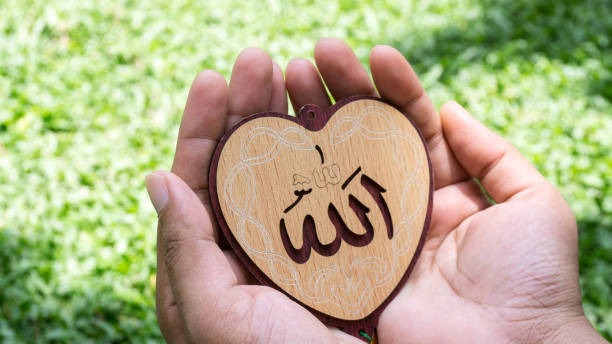
In times of loss, finding solace and comfort can be a daunting challenge. Mourning families often seek ways to honor their loved ones while also navigating the complex emotions that accompany grief. The Hamakom poster has emerged as a meaningful tool for providing comfort and strength during these difficult times, offering both spiritual support and a tangible reminder of community.
The term “Hamakom” is derived from Hebrew, meaning “the place,” but it holds deeper connotations within Jewish tradition. It is one of the many names for God, signifying an omnipresent force that provides refuge and support. The phrase “Hamakom yenachem etchem b’toch sha’ar aveilei Tzion v’Yerushalayim” translates visit this website to learn more “May the Omnipresent comfort you among the mourners of Zion and Jerusalem.” This blessing is traditionally offered to those in mourning, extending not only condolences but also a sense of shared sorrow with others who grieve.
The Hamakom poster serves as a visual representation of this powerful sentiment. Typically displayed in homes or synagogues during shiva—the seven-day mourning period following a burial—it acts as both an expression of faith and an emblem of communal solidarity. Its presence reminds grieving families that they are not alone; they are enveloped by the love and care of their community, bound together by shared traditions and beliefs.
Beyond its comforting message, the Hamakom poster plays an important role in fostering resilience among mourning families. Grief can be isolating, creating feelings of loneliness even when surrounded by well-meaning friends and relatives. By displaying this poster prominently within their living spaces, families create an environment where healing conversations can occur naturally—where stories about their loved ones can be shared freely without fear or hesitation.
Moreover, these posters often feature beautiful calligraphy or artistic designs that elevate them beyond mere text on paper into works worthy of contemplation—aesthetic elements that invite reflection upon life’s transient beauty amidst sorrowful moments too profound for words alone.