Managing large residential HVAC projects requires a careful balance of technical expertise, effective planning, and clear communication. HVAC contractors begin by thoroughly assessing the project’s scope to understand the specific heating, ventilation, and air conditioning needs of the residence. This initial evaluation includes examining architectural plans, considering the size and layout of the property, and understanding any unique requirements such as zoning systems or energy efficiency goals. Accurate assessment at this stage helps avoid costly changes during installation and ensures that all necessary equipment is appropriately sized.
Once the assessment is complete, contractors develop a detailed design tailored to the home’s specifications. This design phase involves selecting suitable HVAC systems that meet performance standards while complying with local building codes and regulations. Contractors often collaborate with architects, builders, and homeowners to align system choices with overall construction timelines and aesthetic preferences. find the source here design must also account for ductwork placement or alternative distribution methods to optimize airflow without compromising living spaces.
Scheduling plays a crucial role in managing large-scale residential projects effectively. Contractors coordinate delivery times for equipment to coincide with different stages of construction or renovation work. This coordination minimizes delays caused by storage constraints or site readiness issues. Skilled project managers oversee timelines closely to ensure each phase-from demolition or preparation through installation-proceeds smoothly without interrupting other trades working on-site.
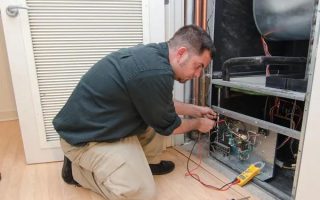
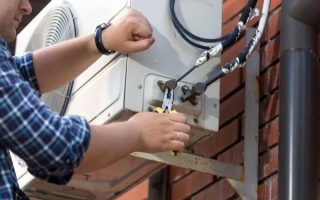
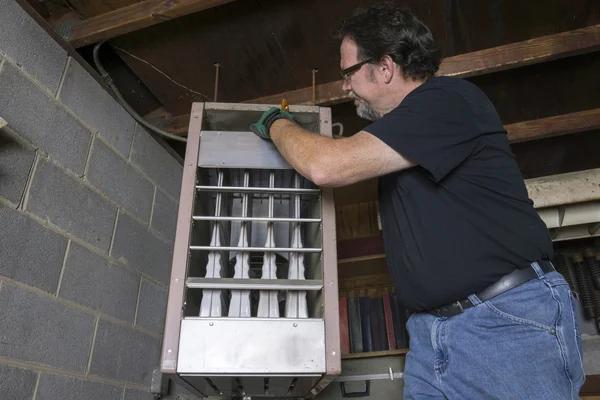
During installation, experienced technicians follow established safety protocols while handling complex components like furnaces, heat pumps, air handlers, thermostats, and ventilation ducts. They use specialized tools for precise measurements and adjustments that guarantee system efficiency once operational. Quality control checks are embedded throughout this process; these include verifying refrigerant levels, inspecting electrical connections, testing airflow rates, and confirming proper thermostat calibration.
Communication remains essential throughout every step of the project lifecycle. Contractors provide regular updates to homeowners regarding progress milestones or unexpected challenges requiring attention or decisions from clients. Transparent dialogue builds trust while enabling quick resolution of issues such as last-minute design modifications or supply shortages.
After completing installation work successfully, contractors perform comprehensive system testing under real-world conditions to validate performance metrics like temperature consistency across rooms and energy consumption rates aligned with projected estimates. They also offer guidance on maintenance schedules designed to prolong system lifespan while maintaining peak functionality over time.
In summary, managing large residential HVAC projects demands meticulous planning combined with skilled execution at every stage-from initial assessment through post-installation support-to deliver comfortable indoor environments efficiently tailored to homeowner needs within agreed budgets and timelines.