Regular maintenance of heating, ventilation, and air conditioning (HVAC) systems is essential to ensure efficient operation and extend the lifespan of the equipment. Complete HVAC system inspections and tune-ups play a crucial role in maintaining indoor comfort while reducing energy costs. These comprehensive services involve a thorough examination of all components within the system, identifying potential issues before they escalate into costly repairs or replacements.
During an HVAC inspection, a trained technician evaluates various parts including filters, coils, electrical connections, thermostats, refrigerant levels, and ductwork. The process begins with checking air filters for dirt and debris that can restrict airflow and reduce efficiency. Dirty filters often cause strain on the system’s blower motor leading to higher energy consumption. Cleaning or replacing these filters helps maintain proper airflow and improves indoor air quality.
Next, the technician inspects evaporator and condenser coils for any buildup that could impair heat exchange performance. Over time, dust accumulation reduces their ability to absorb or release heat effectively. Cleaning these coils ensures optimal cooling or heating capacity while preventing unnecessary wear on other components.
Electrical connections are also examined closely during inspections since loose wiring can pose safety hazards as well as affect system reliability. Tightening connections prevents unexpected breakdowns caused by electrical faults. Additionally, thermostat calibration is checked to guarantee accurate temperature readings which contribute to consistent comfort levels throughout a home or business.
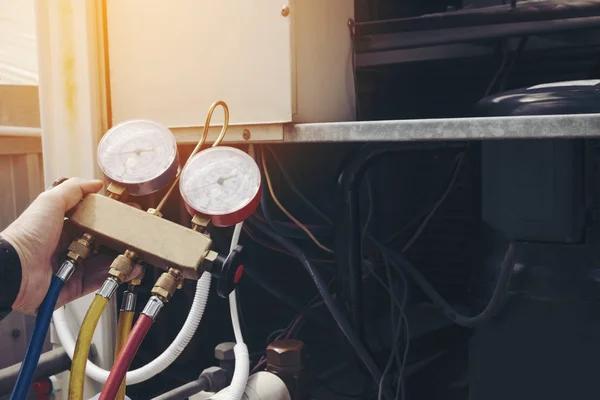
Another vital element involves verifying refrigerant charge levels within cooling systems such as air conditioners or heat pumps. Low refrigerant not only decreases efficiency but may indicate leaks requiring immediate attention from professionals equipped with specialized tools for safe handling.
Ductwork inspection forms part of a complete tune-up by detecting leaks or blockages that compromise airflow distribution across different rooms. Sealing gaps ac installation in auburn ducts enhances overall performance by minimizing conditioned air loss while improving energy savings significantly over time.
Once all components have been assessed and cleaned where necessary, technicians perform operational tests to confirm proper functionality under typical conditions. This final step guarantees that adjustments made during maintenance align with manufacturer specifications ensuring peak performance until the next scheduled visit.
Investing in regular HVAC inspections and tune-ups offers numerous benefits beyond just improved comfort; it reduces utility bills through enhanced efficiency while lowering environmental impact by minimizing wasted energy usage. Furthermore, preventative maintenance helps avoid emergency repairs during extreme weather periods when reliable climate control becomes critical for health and safety reasons.
Homeowners and business operators should schedule professional HVAC service at least twice annually-typically before summer cooling demands rise and prior to winter heating seasons-to keep systems running smoothly year-round without interruption.
In summary, complete HVAC system inspections combined with thorough tune-ups provide peace of mind through proactive care focused on optimizing equipment longevity along with consistent indoor climate management tailored specifically for each property’s unique needs.