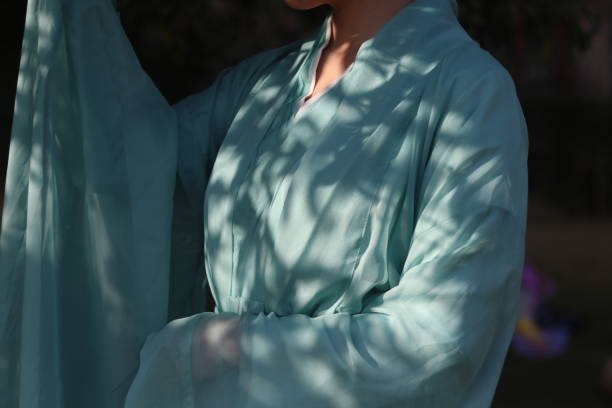
The hanfu, a traditional Chinese garment, has a history that stretches back over 3,000 years. Originating during the Shang Dynasty (1600–1046 BCE), it became the standard dress for Han Chinese until the end of the Ming Dynasty in 1644. This attire is characterized by its flowing robes and intricate designs, often featuring wide sleeves and crossed collars. The hanfu was more than just clothing; it was an embodiment of cultural identity and social status.
In ancient China, men’s hanfu was worn by scholars, officials, and emperors alike. It symbolized elegance and sophistication while adhering to Confucian ideals of modesty and harmony with nature. Each dynasty brought subtle changes to the design of hanfu male, reflecting shifts in aesthetic preferences and social norms. Despite its decline after the Qing Dynasty’s rise to power—when Manchu-style clothing became mandatory—the hanfu never truly disappeared from Chinese culture.
Today, there is a resurgence of interest in traditional Chinese clothing as people seek to reconnect with their heritage amid globalization’s homogenizing forces. The revival movement began around 2003 when enthusiasts started promoting hanfu through online forums and public gatherings. This grassroots effort soon gained momentum as young people embraced this ancient attire not only as a cultural statement but also as a fashion choice.
Modern designers have taken note of this trend by incorporating elements of hanfu into contemporary fashion collections. On runways worldwide, men’s fashion now features adaptations that blend traditional elements with modern aesthetics—such as shorter hems or slimmer fits—to create garments that appeal to today’s consumers while preserving their historical essence.
Celebrities have also played a pivotal role in popularizing men’s hanfu on global stages. Influential figures wearing these garments at international events have sparked curiosity about China’s rich sartorial legacy among audiences unfamiliar with it before now.
Social media platforms further amplify this trend by allowing individuals who wear or design modernized versions of men’s hanfu to share their creations widely across borders instantly—a powerful tool for spreading awareness about cultural traditions being reimagined for new generations.
Moreover, educational institutions are increasingly including courses on traditional Chinese arts—including costume design—which helps cultivate appreciation among students who may eventually become tomorrow’s designers themselves inspired by past legacies yet eager enough towards innovation within those boundaries set long ago already still relevant even today despite time passing since then too quickly sometimes perhaps unnoticed until moments arise again reminding us all where we came from originally always matters most somehow inherently deeply rooted inside everyone everywhere regardless background differences existing outwardly visible only superficially ultimately uniting humanity universally beyond mere appearances alone altogether eternally timelessly enduring forevermore undoubtedly so indeed!